Leadership Perspectives

Beyond the numbers, this section shares the thinking behind MASL World's decisions, from Founder & CEO Dr. Varinder Singh Jawanda and our leadership team. These are candid perspectives on the infrastructure challenges we solve, the standards we hold ourselves to, and where we see India's critical infrastructure landscape heading.

leadership-perspectives img
leadership-img1

Why We're Building for a Bharat That Doesn't Wait for Permission

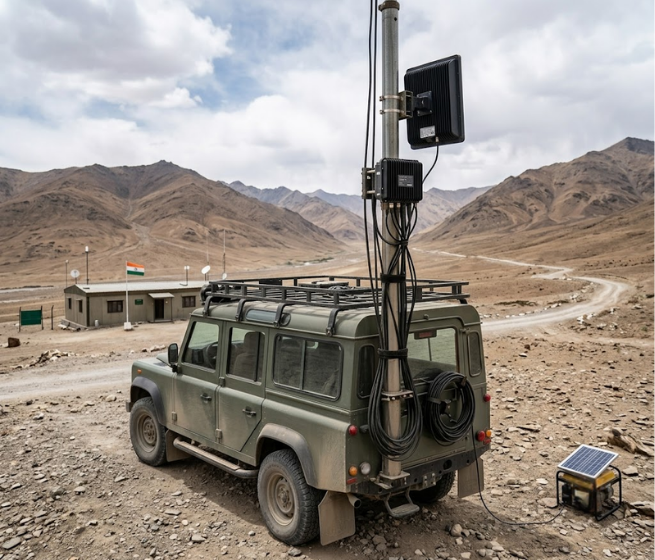
Two decades of building in terrain where the map runs out before the network does. Here's what that taught me about infrastructure that can't afford to fail.

That experience shapes how I think about where we're headed next. Every enterprise racing toward AI adoption is asking the same question my team has asked since day one on a railway signalling project or a border security deployment: what happens when the system is live, load-bearing, and nobody's watching what it's learned to do differently?

That question is why MASL World exists in its current form, not as a vendor selling connectivity or infrastructure, but as a partner who stays accountable for what we build long after go-live.

Investors aren't just backing a balance sheet; they're backing a philosophy.

As we move forward, this doesn't change. If anything, it matters more. Investors aren't just backing a balance sheet; they're backing a philosophy: that infrastructure serving India's railways, defence, and public safety has to be engineered for the terrain it actually operates in, not the terrain a slide deck assumes. That's the Bharat we're building for.

leadership-img2

The Connectivity Gap Nobody's Solving From a Boardroom

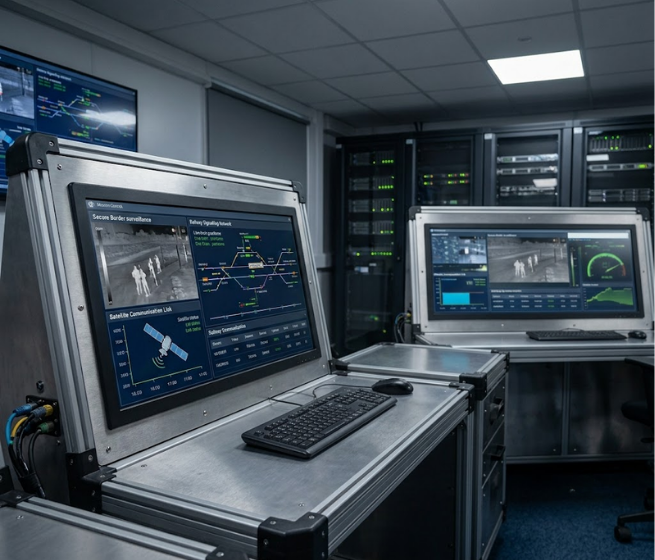
Subscriber numbers don't tell you what it takes to connect a border outpost where no tower will ever reach. This is the gap we built our telecom capability from.

We built MASL World's telecom capability from that gap, not from a market opportunity slide. Satellite orchestration, eSIM infrastructure, and terrestrial networks aren't separate businesses to us, they're one continuous problem: how do you guarantee connectivity where the ground infrastructure simply cannot follow?

That's a harder problem than most connectivity providers solve, because it demands defence-grade reliability in agriculture, shipping, and industrial settings that were never designed with security as a first principle. The gap between "connected" and "secured" is where most enterprise telecom strategies quietly fail.

We don't chase every connectivity opportunity, we solve the ones where failure has consequences.

This is the discipline I want everyone to understand: we don't chase every connectivity opportunity, we solve the ones where failure has consequences. That's a narrower business than pure telecom infrastructure, and a more durable one.

leadership-img3

Why "Defence-Grade" Isn't a Marketing Word to Us

No second chances, no failure points, no gaps when it matters most. Here's what defence-grade actually means at MASL World.

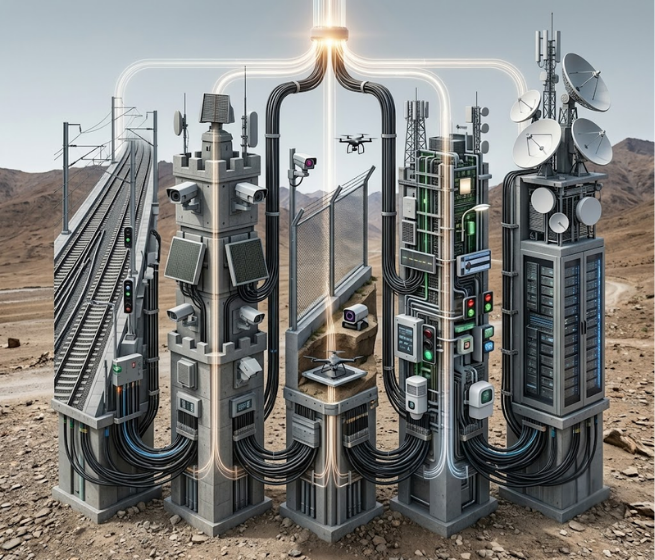
Defence-grade means a system has to work the first time, every time, in conditions that don't offer a second chance, no signal outage during a border operation, no failure point in a railway signalling network during peak load, no gap in a public safety system when it matters most.

Building to that standard for 26+ years has shaped how MASL World approaches every vertical we operate in, railways, defence, border security, smart cities, telecommunications. We don't treat reliability as a feature we add later.

We design for failure conditions from the first line of the specification.

We design for failure conditions from the first line of the specification. That discipline is slower and more expensive than building for the average case.

leadership-img4

Five Verticals, One Discipline

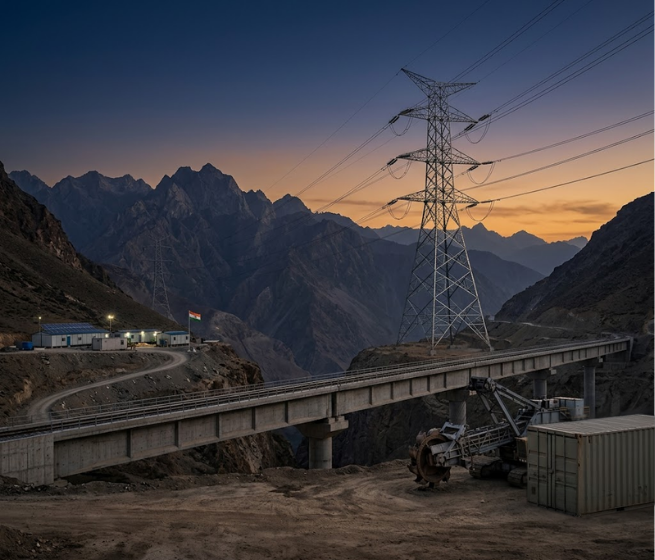
Railways, defence, border security, smart cities, telecom. Five sectors on paper, one shared discipline underneath.

What connects all five verticals isn't a shared customer type or a shared technology stack. It's a shared failure tolerance: infrastructure where downtime isn't an inconvenience, it's a safety or security event. A signalling failure, a surveillance gap, a connectivity dead zone at a border post, these carry the same weight regardless of which ministry or industry they sit under.

Diversification, done this way, is a strength rather than a dilution of focus.

That's why our engineering discipline transfers cleanly across verticals in a way that would be harder for a company built around a single product line. It's also why I believe diversification, done this way, is a strength rather than a dilution of focus.

Contact

Lets get in touch

Please fill out the form below, and our team will be in touch promptly.

Support

Contact Info

+91 11 26387915